Coming Back, or Not Quite
Read next: The Houses That Were Built for Summers
Return migration to Bosnia and Herzegovina is common as a stated intention and rare as a lived reality. The gap between the two tells you almost everything about how the country works.
The Arithmetic of Return
Ask Bosnians living in Germany, Austria or Sweden whether they plan to return, and a substantial share will say yes — eventually. Survey data collected over the past two decades consistently show that a majority of diaspora respondents express some intention to return, particularly in older age cohorts. The number who actually do is a small fraction of that. This is not unique to Bosnia, but the gap here is wider and more durable than in comparable post-Yugoslav states, and the reasons for it run deeper than sentiment.
The International Organization for Migration and various domestic research bodies have tracked return flows since the late 1990s. Early returns, roughly 1996 to 2002, were heavily shaped by international pressure and donor-funded programmes — the machinery built around the Dayton Agreement's Annex VII, which guaranteed the right of refugees and displaced persons to return to their prewar homes. Hundreds of thousands did return in those years, though a significant proportion of those officially logged as returnees subsequently re-emigrated, particularly if they were returning to a municipality where their ethnic group had become a minority. The physical return happened; the permanent resettlement often did not.
Who Actually Stays
The profile of those who do return and remain is reasonably consistent across the data. They tend to be older — retirees who have built pension entitlements in Germany or Austria, or people approaching retirement who want to spend their final working years closer to family. They tend to have a specific asset in place: a house inherited or built in a home village, agricultural land, or a business connection that gives them an economic foothold. And they disproportionately return to rural areas and smaller towns rather than to Sarajevo or Banja Luka — partly because that is where the inherited property sits, and partly because the cost of living differential with Western Europe is most favourable in exactly those places.
The educated and economically active rarely return permanently. A person in their thirties or forties who has built a career, obtained citizenship in a Western European country and enrolled their children in school there faces not just an emotional calculation but a structural one. The Bosnian labour market's well-documented wage gap with Western Europe does not close, and neither do the institutional frictions: professional qualifications frequently need revalidation, administrative processes are slow, and access to services is fragmented across entities and cantons in ways that are invisible to someone who has grown up abroad.
The Seasonal Middle Ground
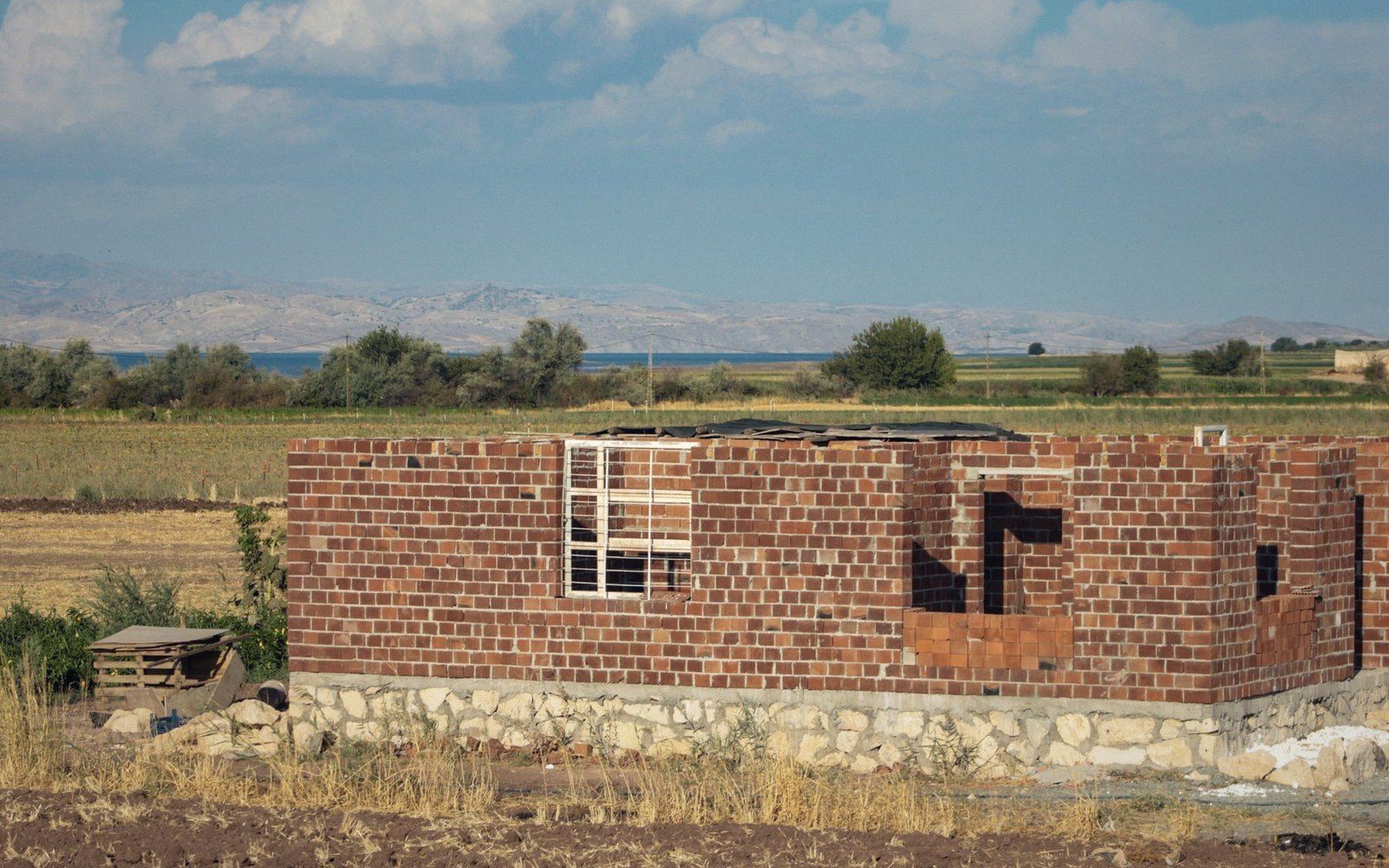
Between full return and no return lies a pattern that is probably more common than either: seasonal or multi-year oscillation. The diaspora-built house in a rural municipality — large, usually underinsulated, constructed in instalments over fifteen years of remittances — becomes the site of a summer return that lasts six to twelve weeks. The family spends summers there; the pension arrives from Vienna or Stuttgart; local spending supports a small-town economy that formal employment statistics would otherwise show as entirely hollowed out. This is return of a kind, and it matters economically, but it does not register as population recovery.
Some municipalities in Herzegovina and in the Bosanska Krajina region have quietly built local economies partly around this seasonal rhythm. Vineyards planted on returned family land, small guesthouses opened with diaspora capital, renovated village schools that fill in July and empty in September — these are real, if fragile, economic facts. They are not the same as a labour-market recovery, and they do not reverse long-term demographic decline.
What the data and the demographics together suggest is that Bosnia and Herzegovina is unlikely to see large-scale net return migration in the near future. The country's structural problems — labour market thinness, wage levels, institutional complexity — are precisely the problems that caused emigration in the first place. Return happens at the margins of a working life, not at its centre. That tells you something important about what would need to change before the arithmetic looked different.