Timber, Metal, Current: The Export Basket
Read next: The Money That Arrives by Wire
Three categories dominate what Bosnia and Herzegovina sells to the world, and they have done so for most of the post-war period.
What Leaves the Country
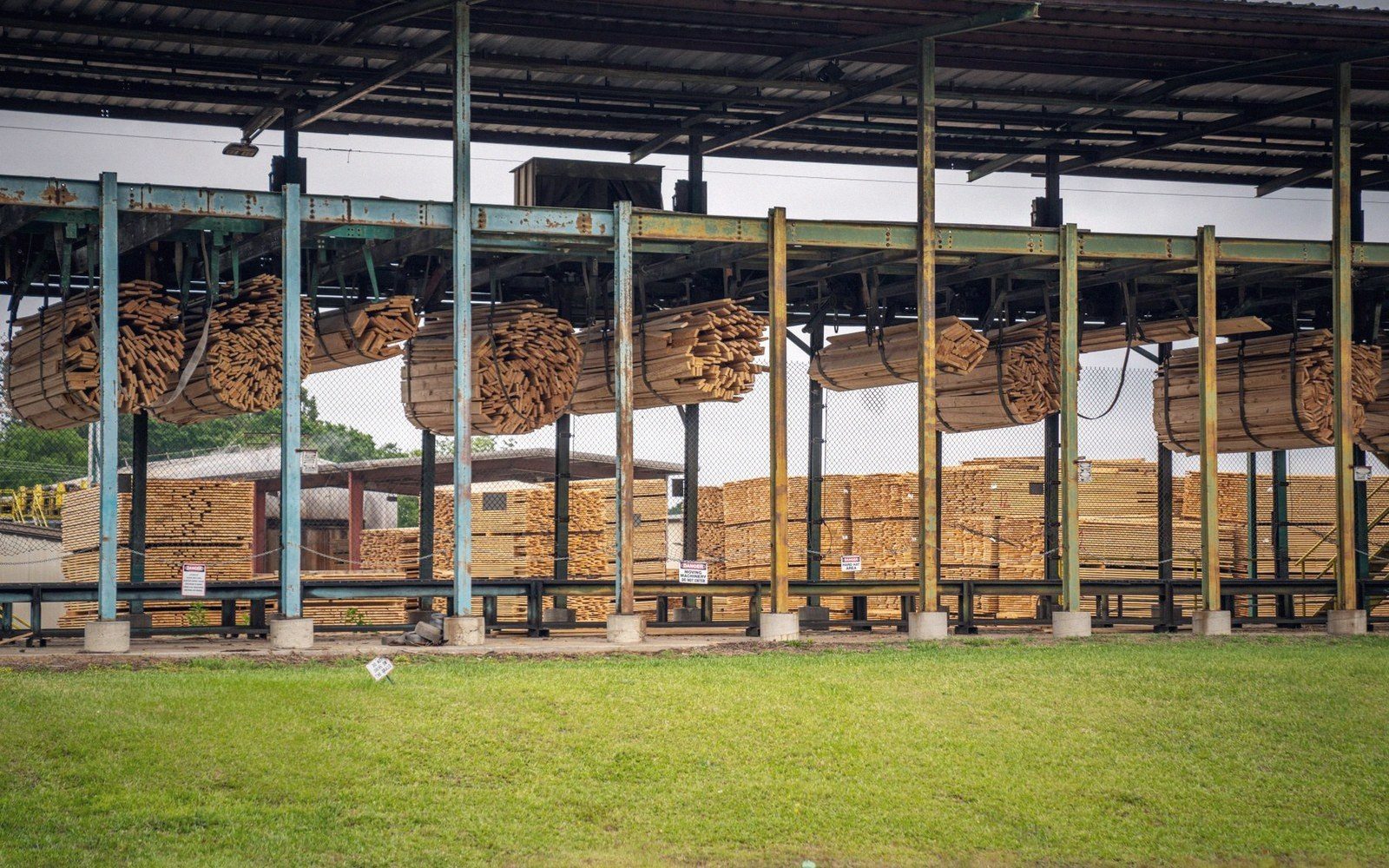
Wood and wood products consistently rank among the top export lines. Bosnia holds some of the largest natural forest cover in Europe relative to its land area, and sawmills, furniture components, and processed timber flow mainly to Germany, Italy, and other EU member states. The country exports both raw-cut timber and semi-finished products, though moving further up the value chain — toward finished furniture or engineered wood — has been slow.
Base metals, principally aluminium and steel, form the second pillar. The aluminium smelter at Mostar — Aluminij, long a politically freighted industrial asset — operated for decades as one of the largest single exporters in the country before partial shutdowns complicated its output. Steel production, concentrated around Zenica in the Federation's industrial heartland, feeds European construction and manufacturing supply chains.
Electricity rounds out the top three. Bosnia generates more power than it consumes, primarily from hydroelectric installations on the Neretva, Vrbas, and Drina river systems, supplemented by coal-fired thermal plants. Surplus current is exported to neighbouring countries and, through regional interconnections, further into the EU grid.
These three categories — wood, metals, electricity — account for a substantial share of total merchandise exports in most years. Manufactured goods, chemicals, and food products contribute smaller but real volumes.
The basket's composition has changed slowly because it reflects what the country already had: forests, ore, rivers, and Yugoslav-era industrial plant. Proximity to EU markets has sustained demand without generating the pressure, or the investment, needed to diversify significantly toward higher-value goods.