Where the Paycheques Come From
Read next: The State as the Largest Employer
Formal employment in Bosnia and Herzegovina follows a pattern that would puzzle a labour economist from Vienna or Lisbon: government and government-adjacent institutions sit at the top of the employer hierarchy, manufacturing punches above its weight, and the private service sector remains far thinner than in comparable European economies.
The State and Its Satellites
The single largest employer in the country is the public sector, understood broadly to include state institutions, entity governments, cantons, municipalities, publicly owned utilities, and the sprawling web of public enterprises that were never fully privatised after the 1990s. Estimates vary — partly because the entity-level statistical offices count differently — but the public sector's share of formal employment consistently runs well above what you would find in, say, a Central European economy of similar GDP. A formal job in Bosnia and Herzegovina very often means a job underwritten by a budget or a state-owned balance sheet.
Public administration and defence together account for a significant slice of formal payrolls. The constitutional architecture is partly responsible: the country runs multiple layers of government — state, two entities, the Brčko District, ten cantons within the Federation entity, and dozens of municipalities — each with its own ministries, inspectorates and support staff. That structural multiplication means administrative headcount is high relative to population.
Public enterprises add another layer. Energy generation and distribution, forestry, railway operation, postal services and much of the extractive sector remain in public or mixed ownership. A worker at an electricity utility or a coal mine is formally private-sector by some classifications and public-adjacent by any reasonable reading of who signs the wage bill. In practice, these firms are managed as instruments of social policy as much as commercial ones, and employment in them tends to be protected even when productivity would argue otherwise.
Manufacturing's Disproportionate Presence
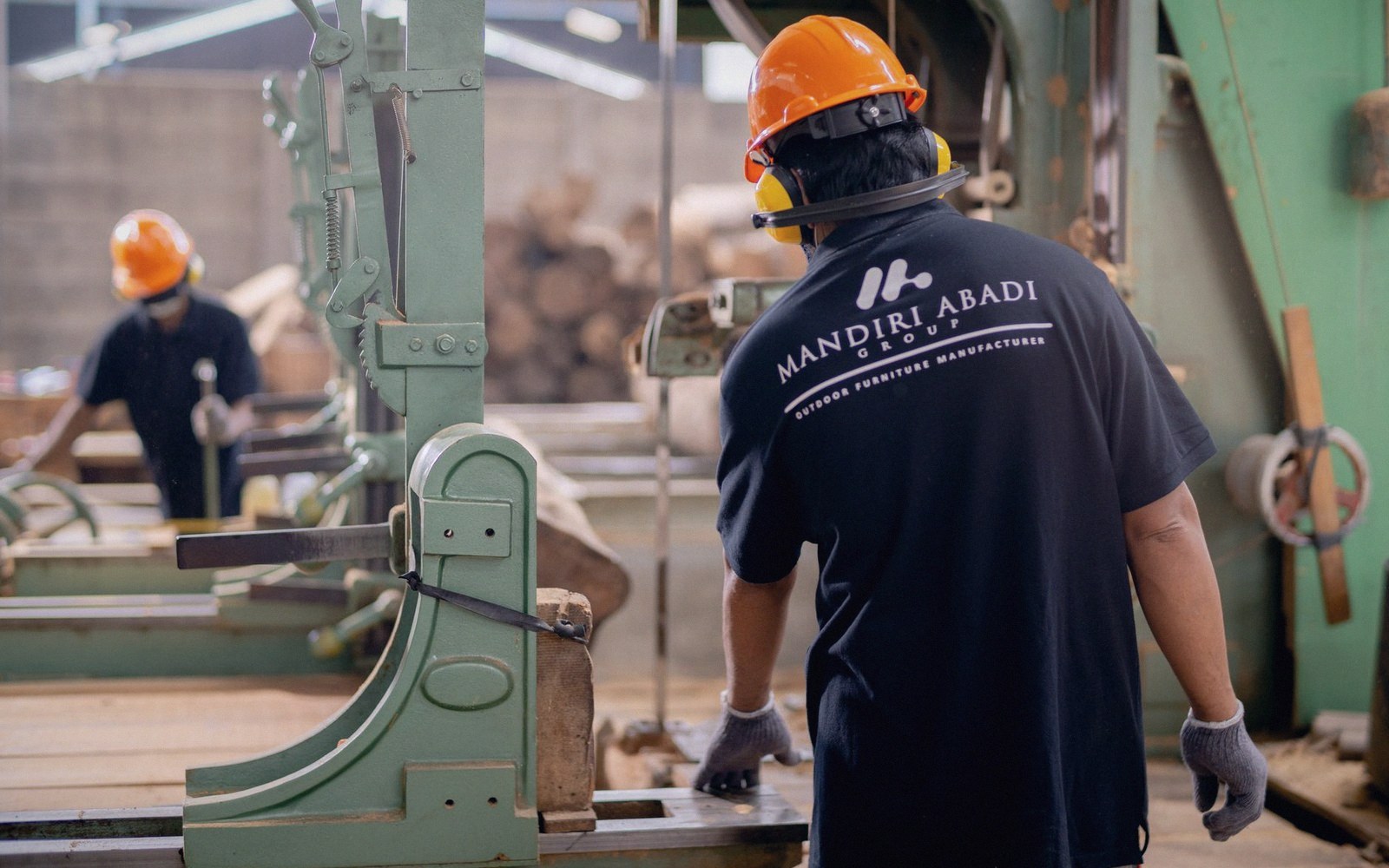
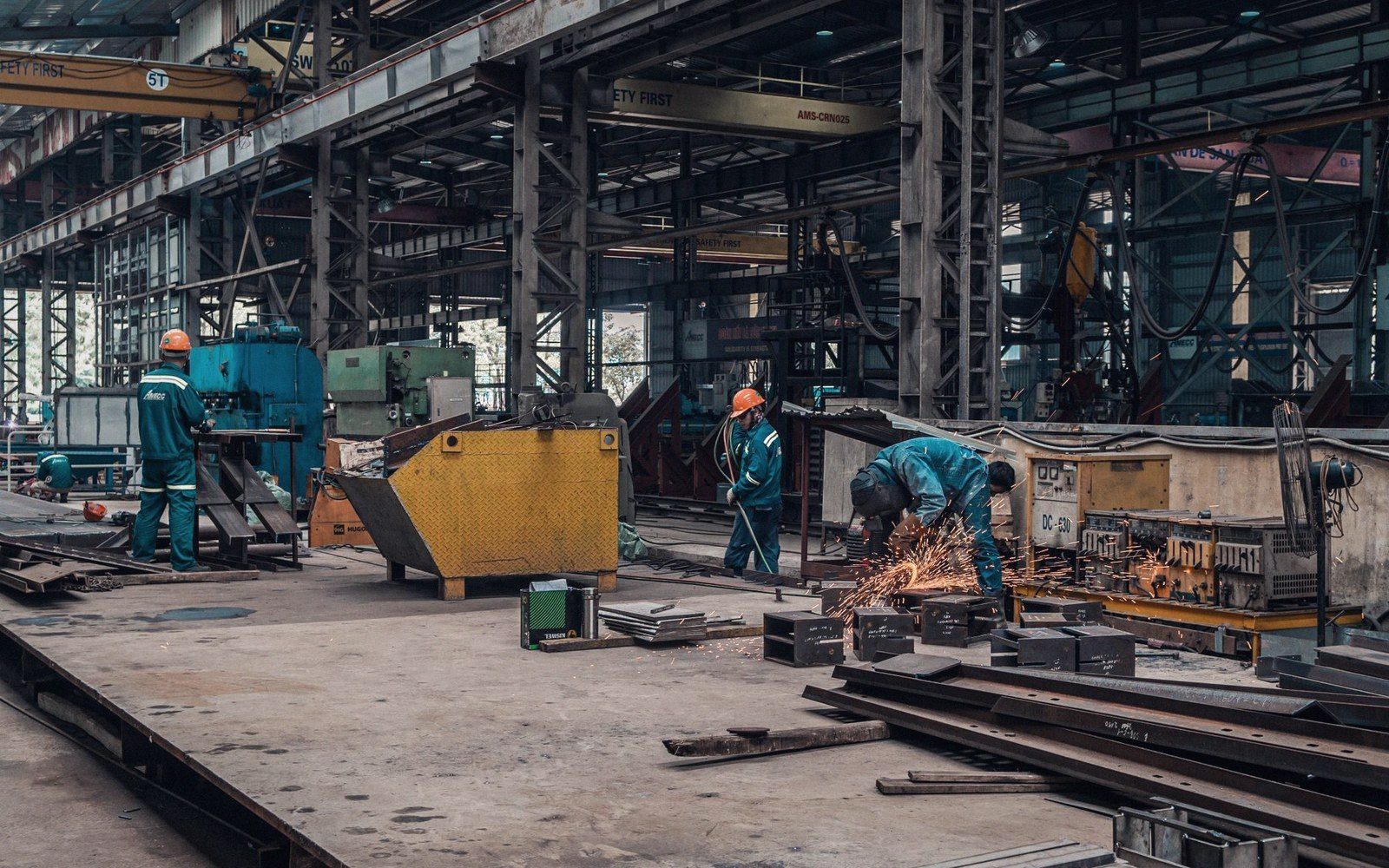
Relative to the size of the economy, manufacturing employs a surprisingly large share of formal workers. Wood processing is one of the country's most significant industrial employers — sawmills, furniture factories and panel board plants are distributed across the river valleys of central and northern Bosnia, and they absorb substantial labour, often in areas where alternatives are few. Metal fabrication, aluminium production, and steel — concentrated around Zenica and Mostar — add further weight to the industrial payroll.
Textile and garment production, mostly operating on a lohn basis (a German-derived industry term meaning contract manufacturing for foreign brands, with the client supplying designs and materials), employs tens of thousands of workers, predominantly women, predominantly in smaller Federation towns. The wages in this segment are among the lowest in formal employment: lohn work is integrated into European supply chains but captures very little of the value chain domestically. It keeps people formally employed; it does not generate the kind of wage growth that recirculates as consumer spending.
Food and beverage processing rounds out the industrial picture. Dairies, breweries, mineral water bottlers and meat processing plants are spread across both entities and employ stably, if modestly.
Services: Narrower Than It Looks
The services sector in Bosnia and Herzegovina is thinner than headline numbers sometimes suggest. Retail and wholesale trade employs a meaningful number of formal workers, but a large portion of everyday commercial activity still flows through informal channels — the market stalls, the uninvoiced transactions, the cash-in-hand arrangements that statistical agencies acknowledge exist but struggle to count. What gets measured as formal service employment is largely banking and insurance, telecommunications, some professional services concentrated in Sarajevo and Banja Luka, and accommodation and food — the last of these seasonal and geographically uneven.
Tourism has grown as a formal employer, but its weight remains modest and highly concentrated. Most of the country's formal tourism employment is in Sarajevo, Mostar, and a handful of mountain resorts. It has not become a structural pillar of the labour market.
Healthcare and education deserve separate mention. Both are largely public, both are substantial employers, and both face the same pressure: wages are set by entity and cantonal governments, so they diverge noticeably by geography even within the same profession. A teacher or a nurse in one canton earns materially more than the same professional one canton over — not because of experience or qualification, but because of where the budget sits.
Why the Map Looks This Way
The configuration of formal employment reflects three overlapping histories. The Yugoslav socialist economy built heavy industry deliberately — locating factories for political as well as economic reasons, creating towns around single plants. The 1990s war destroyed some of that base and froze the restructuring of the rest. And the post-war reconstruction prioritised institutional stability over market reform, so the public sector grew to fill gaps that private investment was slow to enter. The result is a formal labour market that leans heavily on the state and on inherited industry, with a private service sector that has developed where infrastructure and population density permitted — and not much further.