Banja Luka and the Weight of Being Second
Read next: The Neretva Runs Through the Middle
The largest city in Republika Srpska is not a national capital, yet it functions as one — which shapes everything from its street layout to its payroll.
A City Running an Entity
Banja Luka sits in the Vrbas river valley in the northwest of Bosnia and Herzegovina, and with a population of around 185,000 it is the second-largest city in the country after Sarajevo. That ranking, however, understates its actual administrative density. As the seat of Republika Srpska — one of the country's two entities under the Dayton constitutional framework — it houses the entity's government, national assembly, presidency, and most of its public agencies. A city of this size carrying that load means public administration is not a background feature of the local economy: it is the primary one.
Banking follows government the way commerce follows traffic. Banja Luka is home to the principal financial institutions operating within Republika Srpska, and the entity's banking agency is headquartered there. Timber processing — the entity's most durable industrial export — has a significant presence in the surrounding region, feeding into the wood-products chains that account for a notable share of the country's export earnings.
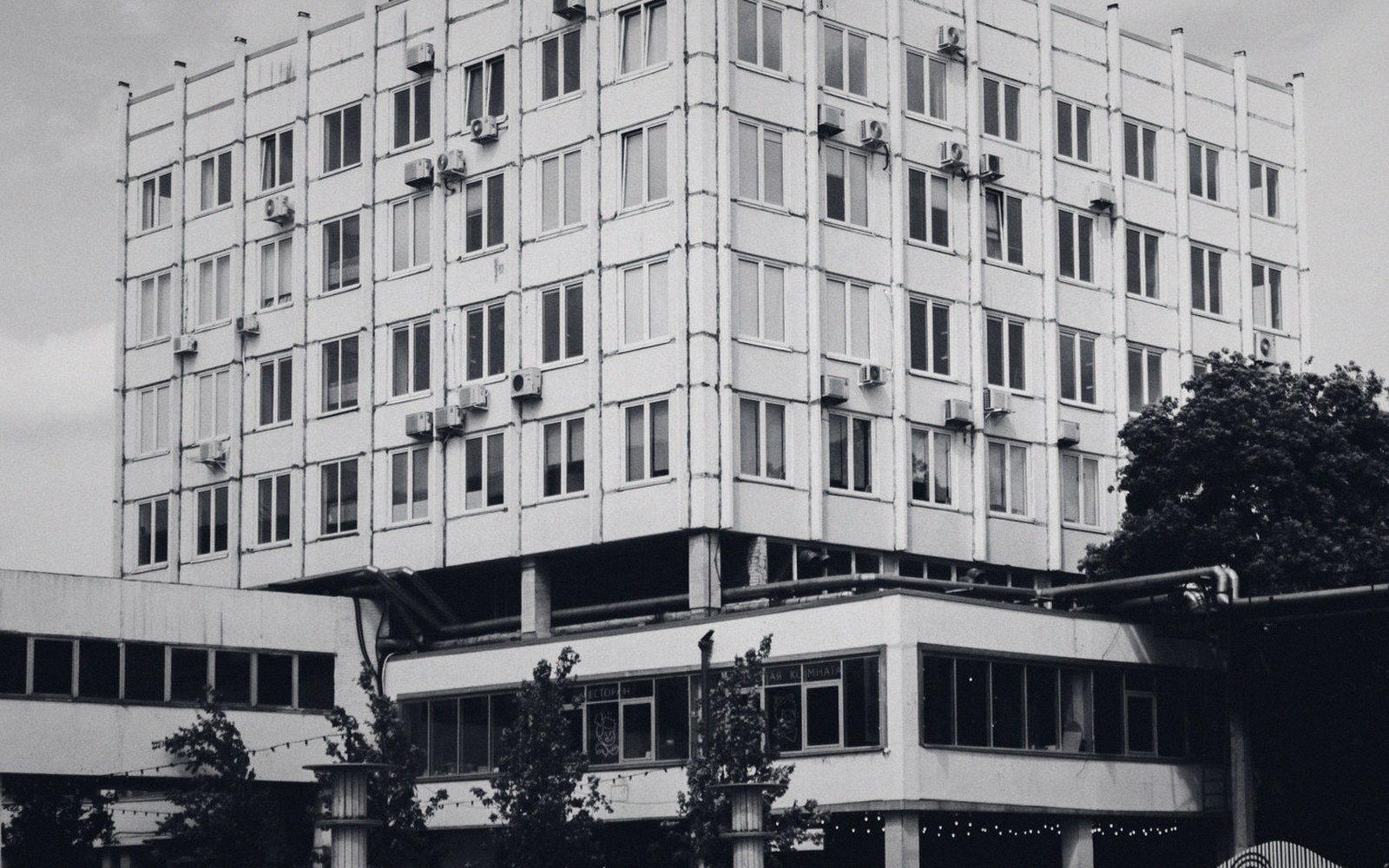
The city was heavily damaged in a 1969 earthquake and substantially rebuilt in a late Yugoslav modernist idiom, so it lacks the Ottoman-era urban core that draws visitors to Sarajevo or Mostar. Its economic identity is instead institutional: the payroll is largely public, the contracts are largely administrative, and the investment logic follows entity-level political decisions rather than private market signals. That makes Banja Luka unusually stable in downturns and unusually slow to diversify in better times — the structural cost of being second, and indispensable, all at once.