Off the Books, On the Street
Read next: Same Country, Different Pay Scales
Bosnia and Herzegovina's informal economy is large, persistent, and genuinely difficult to count — and the number depends entirely on how you try.
How Big, and How Would Anyone Know?
Estimates of the informal economy's share of gross domestic product in Bosnia and Herzegovina vary widely — from roughly a fifth to more than a third — depending on which methodology is doing the measuring. The gap is not sloppiness; it reflects a genuine conceptual problem. Researchers using the currency-demand approach (tracking excess cash circulating beyond what official transactions would require) tend to produce higher figures. Those using electricity-consumption proxies — comparing energy use against reported output — often find something similar. Surveys of household expenditure against declared income produce different results again, because respondents underreport in different directions. No single number commands consensus, and any figure cited with false precision should be read with suspicion.
What is less contested is where informal activity concentrates. Construction is the most visible sector: cash-in-hand labour on residential projects is routine, particularly in the diaspora-funded house-building that recurs across rural municipalities every summer. Workers may be paid without contracts, builders registered in one canton may work in another without formal notification, and materials move through supply chains that rarely generate complete paper trails. Agriculture is a second anchor: subsistence and small-scale commercial farming, which remain substantial in the country's rural interior, generate output and exchange that statistics miss almost by design. A farm family selling vegetables at a town market, or slaughtering livestock for a neighbour's celebration, is conducting commerce that official surveys were never built to capture.
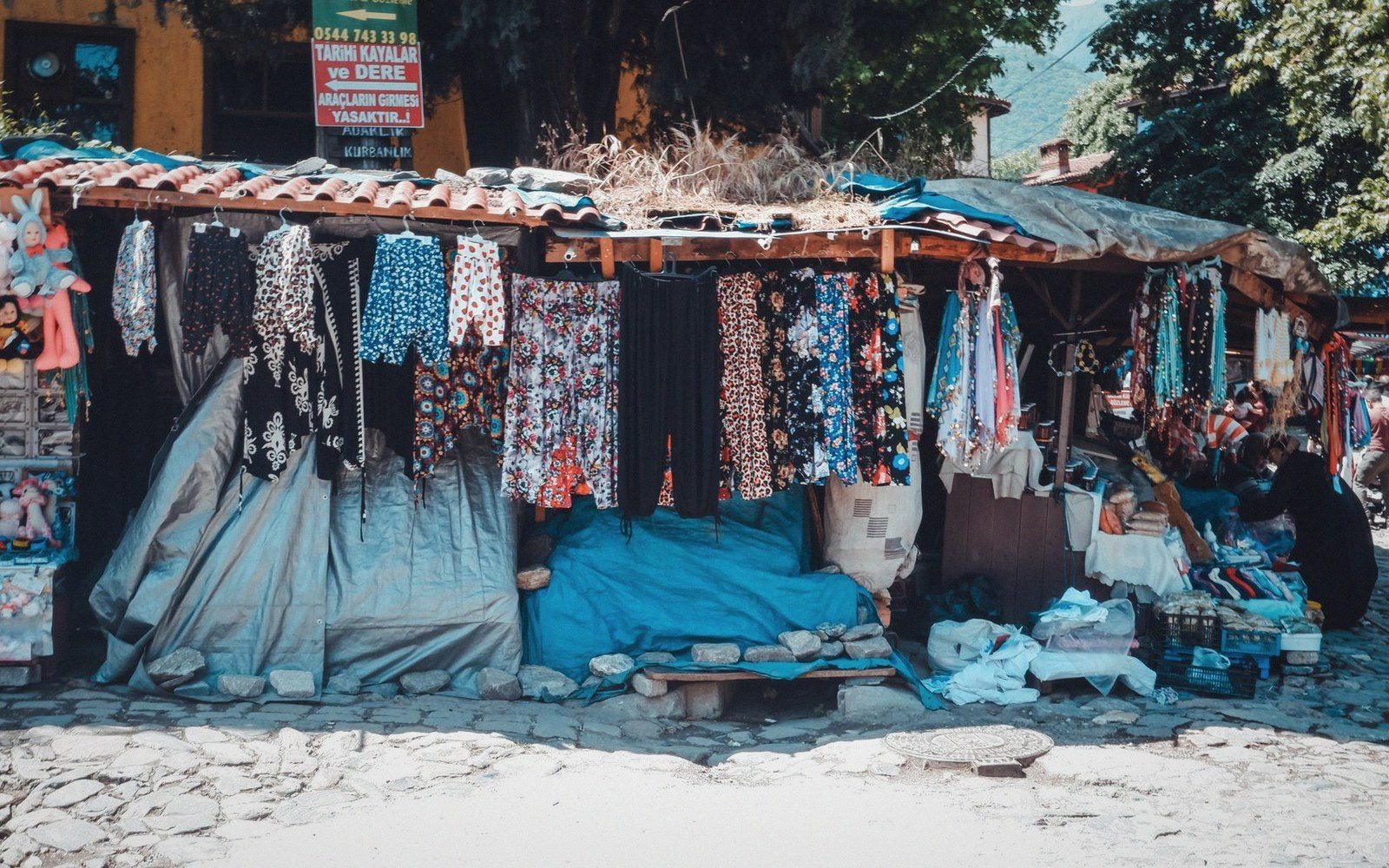
Petty trade — market stalls, roadside sales, small cross-border commerce — rounds out the picture. Border-town markets along the routes into Croatia, Serbia and Montenegro have long hosted goods whose provenance was loosely documented, though European Union accession pressures on Croatia have tightened some of those channels over time.
The structural reasons for informality are not obscure. Payroll taxes and social contributions are high relative to wages, creating a strong incentive for both employer and employee to keep arrangements verbal. Weak contract enforcement makes the formal route feel risky. In areas with high unemployment, any income — formal or not — is preferable to none, and the social tolerance for informal work is correspondingly high.
This matters beyond measurement. Informal workers do not accumulate pension entitlements. Governments forego tax revenue that would otherwise fund already-strained public services. And because formal employment is already concentrated in the public sector, the private formal economy that informality displaces is narrower still than headline statistics suggest.