Same Country, Different Pay Scales
Read next: What Outside Capital Has and Has Not Built
One inter-entity boundary line separates Sarajevo from Banja Luka. The wage gap between them is structural, stubborn, and largely unreported.
Two Entities, Two Realities
Bosnia and Herzegovina does not have a single labour market. It has, in practical terms, at least three: Republika Srpska, the Federation of Bosnia and Herzegovina, and — inside the Federation — a patchwork of ten cantons each with its own administrative overhead, public-sector pay structure, and business environment. The result is that two workers doing comparable jobs in the same country can take home meaningfully different monthly salaries depending almost entirely on which administrative unit employs them or hosts their employer.
Republika Srpska sets its own minimum wage through its own labour law. The Federation does the same. For most of the past decade, the two minimum wage floors have tracked each other roughly but never precisely, and periodic upward adjustments in one entity have not always been matched swiftly in the other. The gap at the minimum level is modest in absolute terms — sometimes a matter of twenty or thirty convertible marks (BAM), the country's currency — but at the median and above, divergence widens. Average net wages in the Federation have generally run somewhat higher than in Republika Srpska, with the difference historically in the range of five to fifteen percent depending on the period and sector examined. That differential does not reflect a productivity gap alone; it reflects structurally different public-sector pay scales, a different mix of industries, and uneven foreign investment geography.
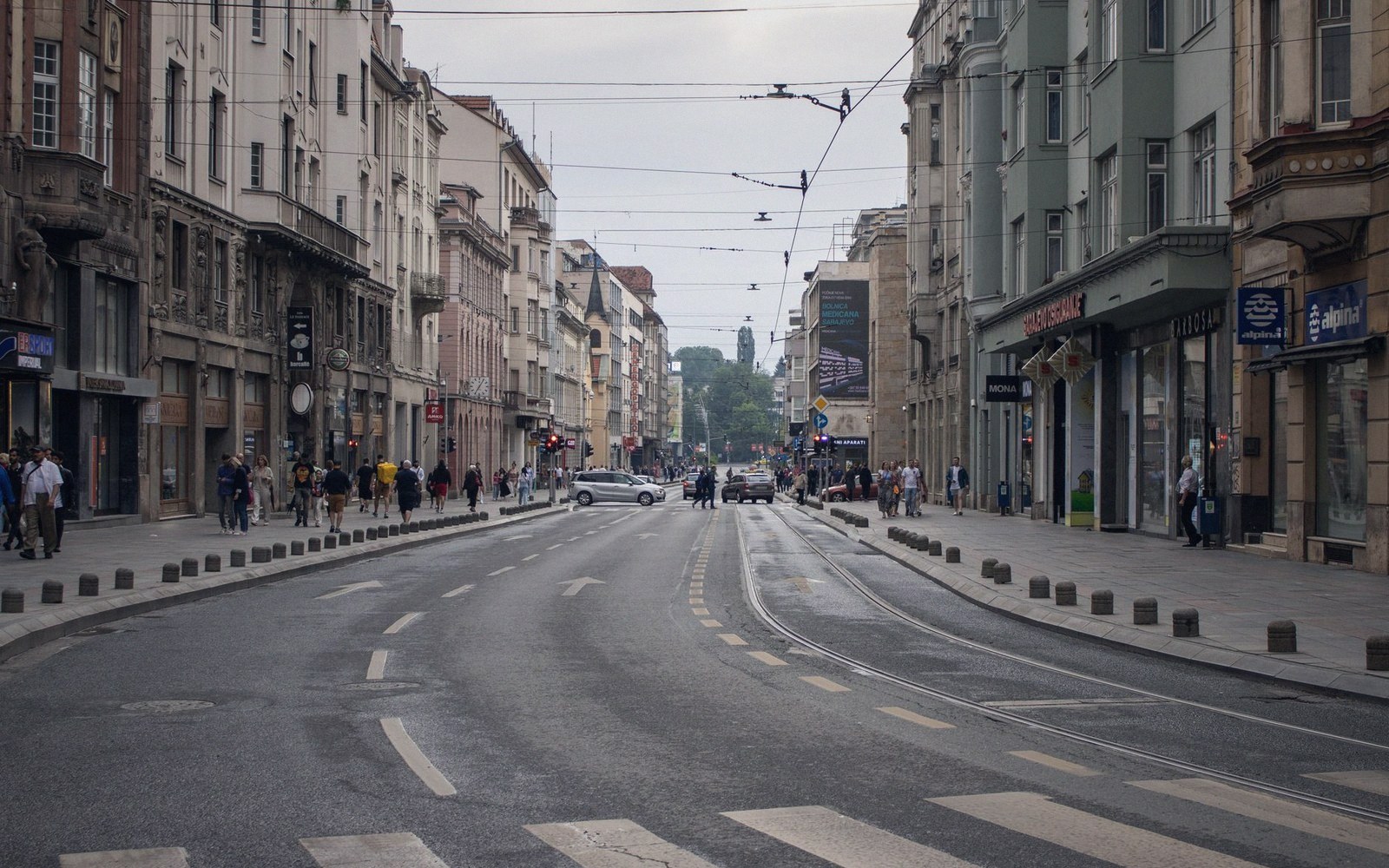
The Federation's higher average is driven significantly by Sarajevo Canton, which concentrates financial services, international organisations, the hospitality industry serving business travel, and the country's largest formal retail sector. Strip out Sarajevo Canton and the Federation's average wage falls sharply. Cantons such as Posavina, Canton 10 (also known as Livno Canton), and West Herzegovina have formal wage levels that sit well below the national average and often below Republika Srpska's average too — making some inter-entity comparisons misleading when stated as entity-wide figures.
Why the Gaps Persist
The structural reasons for wage divergence operate at several levels simultaneously. The most important is the public sector's weight in both entities: government, public utilities, education, and health together account for a substantial share of formal employment. Public-sector pay scales are set administratively, not by market competition, so they transmit political decisions about fiscal capacity directly into average wage statistics. An entity or canton that has expanded its administrative apparatus — often through patronage hiring rather than service demand — inflates headcount without necessarily inflating productivity, which pulls average wages toward whatever the civil service collective agreement dictates.
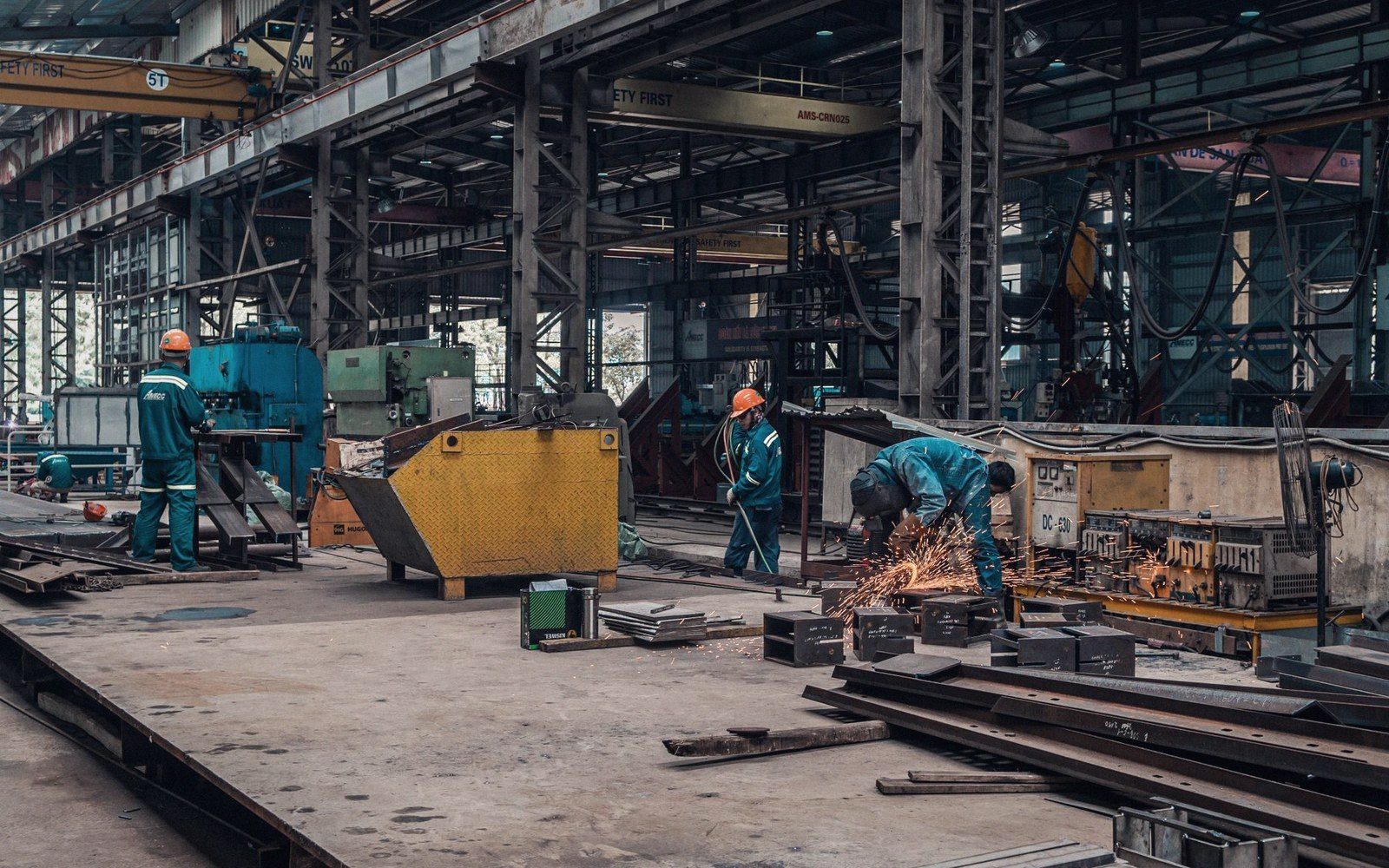
The second structural factor is industrial geography. Tuzla Canton retains a significant manufacturing and chemical base. Zenica-Doboj Canton hosts the country's main steel production. Central Bosnia Canton has wood-processing and some food industry. These cantons offer blue-collar formal wages that benchmark against regional industrial norms rather than Sarajevo service-sector norms, creating an internal Federation gradient that runs roughly from west and south (lower, more agricultural and informal) to northeast (higher, more industrial). Republika Srpska's wage geography follows a similar internal logic: Banja Luka, as its administrative and commercial centre, anchors the entity's upper wage tier, while eastern and northern municipalities trail behind.
The third factor is the informal economy. Where informal activity is high — and in Bosnia and Herzegovina it is substantial by regional standards — formal wage statistics undercount real household incomes for some workers while overcounting them for others (since registered employment sometimes masks partial cash arrangements). This statistical distortion is not uniform across entities or cantons; areas with weaker labour inspectorates and larger grey-market construction or trade sectors will show a larger gap between official wage data and lived income reality.
Foreign direct investment also distributes unevenly. Capital that has entered the country since the early 2000s has concentrated in Sarajevo Canton, in a handful of manufacturing zones close to the Corridor Vc motorway alignment, and in certain Republika Srpska locations with lower land and labour costs. Zones that have attracted export-oriented manufacturing — automotive components, textiles — tend to offer wages above local averages but below what equivalent roles would pay in neighbouring Croatia or Serbia, reflecting Bosnia and Herzegovina's positioning as a lower-cost production location within a competitive regional market.
None of these pressures are self-correcting under the current constitutional arrangement. Because the two entities control their own labour legislation, minimum wage policy, and public-sector pay agreements, and because the cantons within the Federation add a further layer of independent budget decisions, there is no mechanism by which wages converge toward a single national equilibrium. Movement of workers — emigration abroad or internal migration toward Sarajevo — acts as a partial pressure valve but does not resolve the underlying structural asymmetry. People leave; pay scales stay where politics put them.